

Where I Can Help

Headaches
Most people just put up with headaches, a couple of paracetamol, a glass of water and hope for the best. But if you’re getting them regularly or they’re affecting your day-to-day life, it’s worth looking into.
Many headaches, particularly cervicogenic headaches (those that originate from the neck), are closely linked to problems in the neck and upper back. Stiffness in the joints of the neck, tightness through the upper back, shoulders and sustained poor posture can all contribute to that familiar ache that builds through the base of the skull.
Stress and emotional tension can also play a role, often without people realising. When that’s the case, there is good evidence that treatment can make a real difference, helping to reduce both the intensity and frequency over time.
If you experience a sudden, severe headache unlike any you’ve had before, a headache following a head injury, or any accompanying symptoms like visual disturbance, slurred speech, weakness or confusion, it’s important you seek urgent medical attention rather than book in with me.
Back Pain
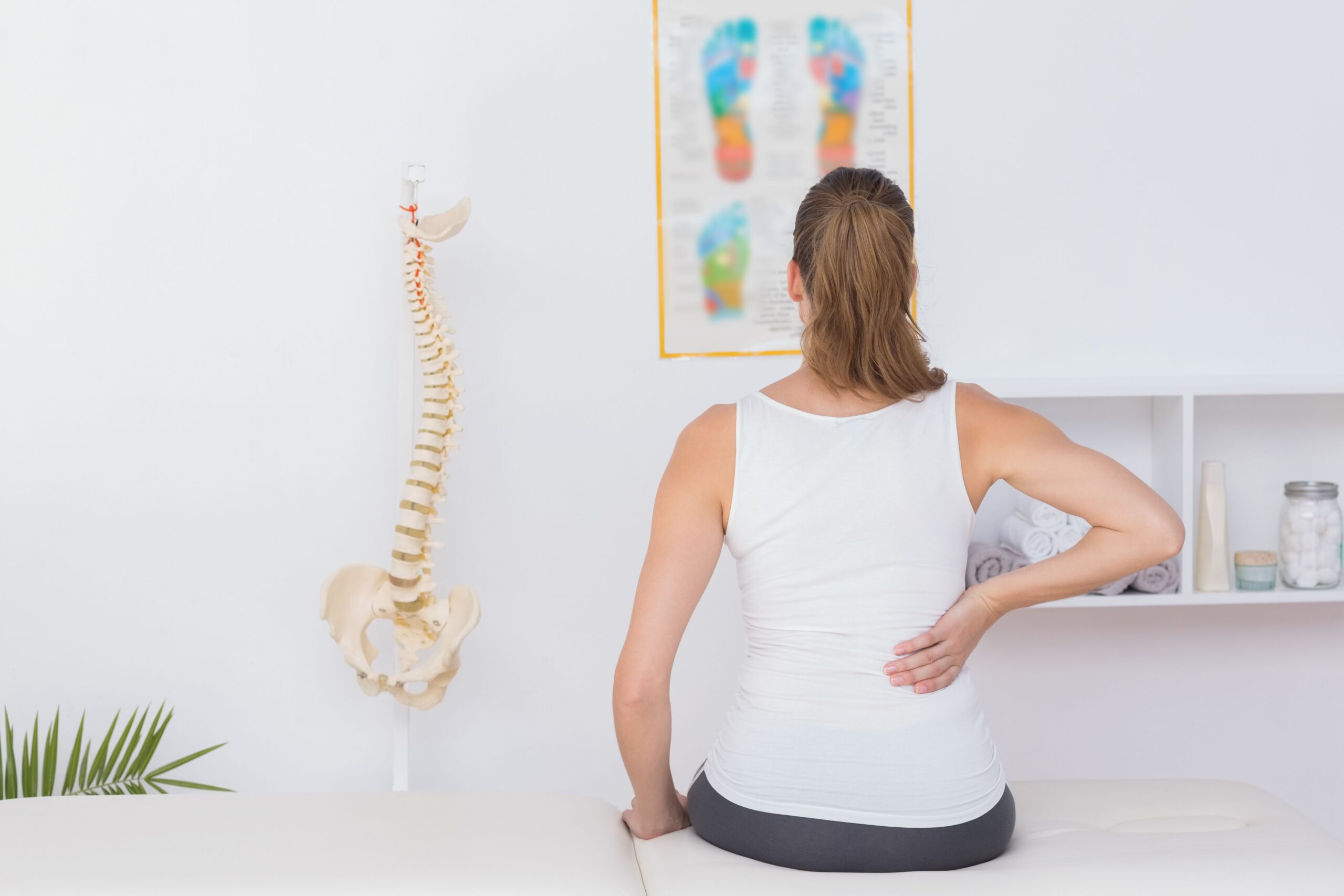
Back pain is one of the most common reasons people visit an osteopath. It can come on suddenly after lifting something awkwardly, build gradually over time or appear with no obvious cause at all.
The good news is that most back pain is mechanical in nature, which is exactly what osteopathy is designed to address. It can sometimes be accompanied by pain, tingling or numbness that travels into the buttock or down the leg, often referred to as sciatica.
This is usually caused by irritation or compression of a nerve. It can sound alarming but in most cases, responds well to hands-on treatment and exercise. If you experience severe or rapidly worsening pain, or any changes in bladder or bowel function, please get this assessed urgently by a doctor or A&E rather than booking an osteopathy appointment.
Neck Pain
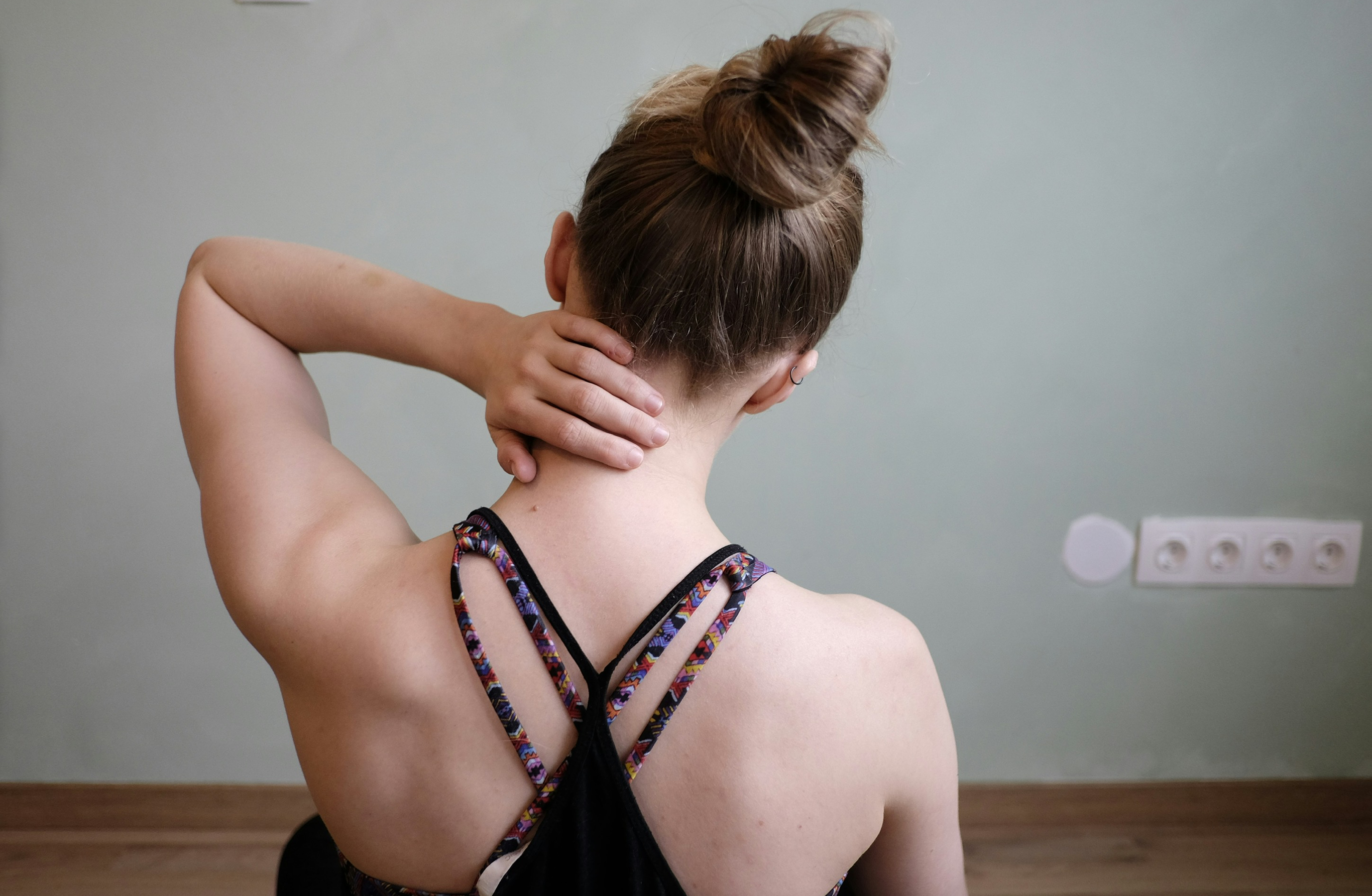
Neck pain can affect people in many different ways. It might come on after a poor night’s sleep, consistent long hours at the desk or following a sudden movement or incident, like a minor car accident. Sometimes there’s no obvious trigger at all.
Whatever the cause, neck pain can quickly start to affect daily life, making it uncomfortable to drive, concentrate at work or even just getting through the day without that constant nagging stiffness. It’s also worth knowing that neck pain can sometimes refer symptoms into the shoulder, arm or hand; causing aching, tingling, or a feeling of weakness.
I’ll assess whether the neck is the likely source and take that into account during treatment. If your neck pain follows a significant injury, or comes with symptoms like dizziness, severe headache, visual changes or weakness in both the arms, please seek urgent medical advice first, rather than booking in for treatment.
Sciatica
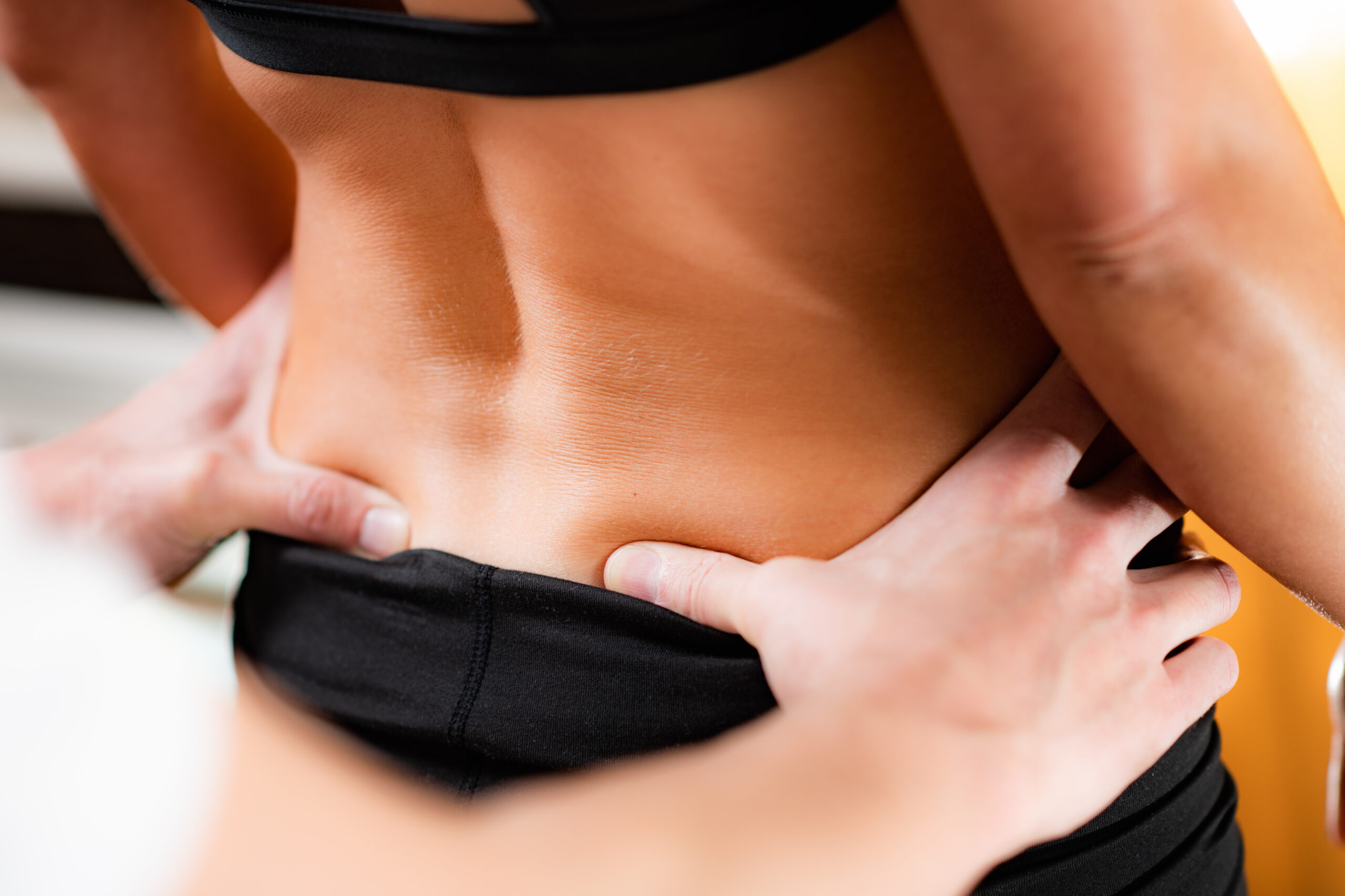
If you’ve got sciatica, you’ll know about it. That deep, often searing pain that starts in the lower back or buttocks and travels down the leg, sometimes all the way to the foot; it’s hard to ignore.
It might come with tingling, numbness or a weakness that makes everyday things like sitting, standing or walking difficult. Sciatica isn’t a diagnosis in itself; it’s a description of symptoms caused by irritation or compression of the sciatic nerve, usually where it exits the spine in the lower back.
The most common culprits are a disc bulge, joint inflammation or tightness in the surrounding muscles putting pressure on the nerve. The reassuring thing is that the majority of sciatic cases resolve well. Osteopathy can help by addressing the underlying mechanical factors contributing to the nerve irritation; working on the joints, soft tissues of the lower back and pelvis to reduce compression, ease inflammation and support improvement.
It’s also worth knowing that not all leg pain is sciatica; pain from the joints and muscles of the lower back can closely mimic sciatic symptoms. As part of your assessment, I’ll build a clearer picture of what’s likely going on and rule out anything that needs further attention. In most cases, symptoms like these improve with time, and treatment can play a useful role in that process.
If your symptoms are severe, rapidly worsening or you’re experiencing any changes in bladder or bowel dysfunction, please seek urgent medical attention rather than booking an osteopathy appointment.

Shoulder Pain
Shoulder pain can range from mildly irritating to completely debilitating; a dull ache that’s built for months, a sharp twinge reaching overhead, or stiffness that’s crept up out of nowhere. Whatever the pattern, it can quickly start interfering with sleep, work, and the things you enjoy.
Pain can stem from the muscles and tendons around the joint, the joint itself, the surrounding structures or sometimes from the neck and upper back, referring symptoms into the shoulder area. Rotator cuff problems are among the most common causes of shoulder pain; typically presenting as pain with lifting, reaching or lying on the affected side.
A combination of hands-on treatment and appropriate loading exercises can play a useful role in managing symptoms, though progress can take time and varies from person to person. Frozen shoulder (adhesive capsulitis) tends to progress through stages; a painful freezing phase, a stiff frozen phase and a gradual thawing phase where movement slowly returns. This can span months to a few years.
It’s worth noting that frozen shoulder can be difficult to diagnose accurately and other shoulder conditions can present in a similar way, so a thorough assessment is important to make sure you’re getting the right approach. I can help guide you through each stage as symptoms evolve. If your shoulder pain came on suddenly alongside chest pain, breathlessness, sweating or feeling unwell, or follows a significant injury with visible deformity or a complete loss of movement, it’s important to get this checked urgently rather than book in with me.
Hip Pain
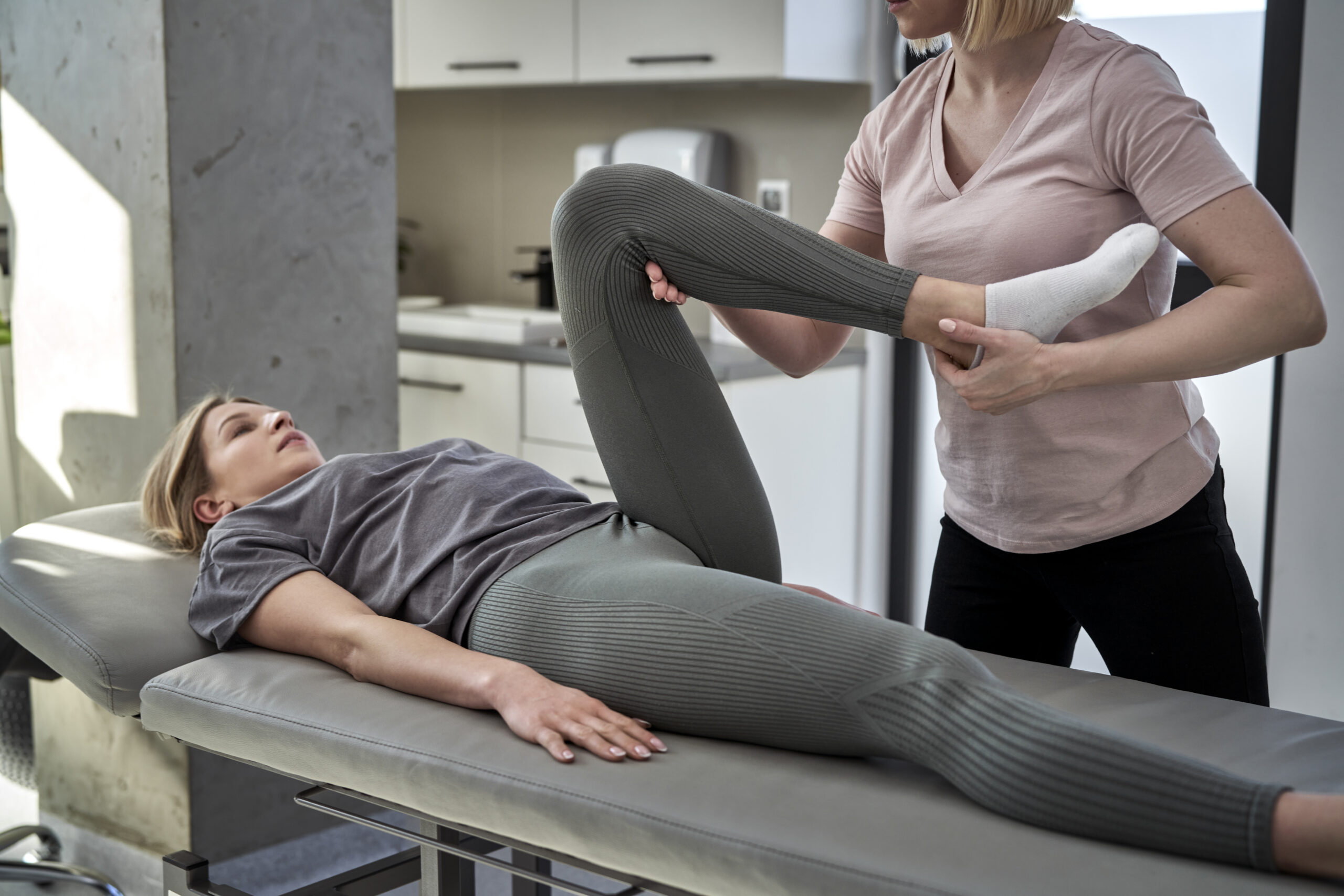
Hip pain affects people of all ages, not just older adults. It might present as a deep ache in the groin, pain on the outside of the hip, discomfort that builds after sitting for long periods or stiffness that makes everyday movements like getting up from a chair or climbing stairs more difficult than they should be.
One of the more important things to understand about hip pain is that it doesn’t always originate in the hip itself. The lower back and pelvis can refer pain into the hip and groin area in a way that closely mimics a local hip problem. Equally, how the hip is moving or not moving, can place strain on the lower back over time.
Nothing in this area works in isolation. Common presentations I see include hip osteoarthritis and Greater Trochanteric Pain Syndrome (GTPS). Osteoarthritis of the hip can cause a deep groin pain or stiffness that affects everyday movements. Treatment can help manage symptoms and maintain function, especially if it’s impacting your daily life. GTPS refers to pain on the outside of the hip related to the tendons in that area, previously known as trochanteric bursitis. It often responds well to a combination of load management and targeted exercise.
If your hip pain follows a fall or injury and you’re unable to bear weight, or comes with fever or feeling generally unwell, please get this checked urgently rather than booking an osteopathy appointment.

Knee Pain
Knee pain is common and can affect anyone, whether it’s the result of a specific incident or something that’s built up over time. It might show up as pain going up or down stairs, discomfort after sitting with the knee bent, swelling after activity or a general ache that makes you hesitate before exercise.
Pain can come from the tendons, ligaments, cartilage or the joint itself, and the picture is often a mix of more than one of these. Common presentations I see include patellofemoral pain (pain around or behind the kneecap), meniscus problems, ligament sprains and osteoarthritis of the knee. Patellofemoral pain often relates to how the kneecap is tracking and how load is being managed through the joint. Osteoarthritis tends to cause stiffness and a deep ache that affects everyday movements like getting up from a low chair or walking downhill.
Hands on treatment and exercise can play a useful role in managing knee pain and supporting rehabilitation, whatever the underlying cause.
If your knee pain follows an injury with significant swelling, you’re unable to bear weight or straighten the knee, or it comes with fever or redness around the joint, it’s important to get this assessed urgently rather than booking in with me.

Sports Injuries
Whether you’re a weekend runner, a regular gym goer or a team sport player, injuries can happen at any level. Sometimes from a sudden strain or sprain, sometimes building up gradually through training load or repetitive movement.
Common presentations include muscle strains, tendon problems, ligament strains and overuse injuries; from a sprained ankle to a stiff shoulder. The approach to management depends on the nature of the injury, how long it’s been present and what you’re looking to get back to. Getting back to the activities you enjoy is important and realistic timelines matter.
Taking the time to properly recover gives you the best chance of staying fit and active in the long term. If your injury involves a suspected fracture, a head knock, concussion, or sudden severe swelling with a complete loss of movement, please get this assessed urgently at A&E.
Foot and Ankle Pain
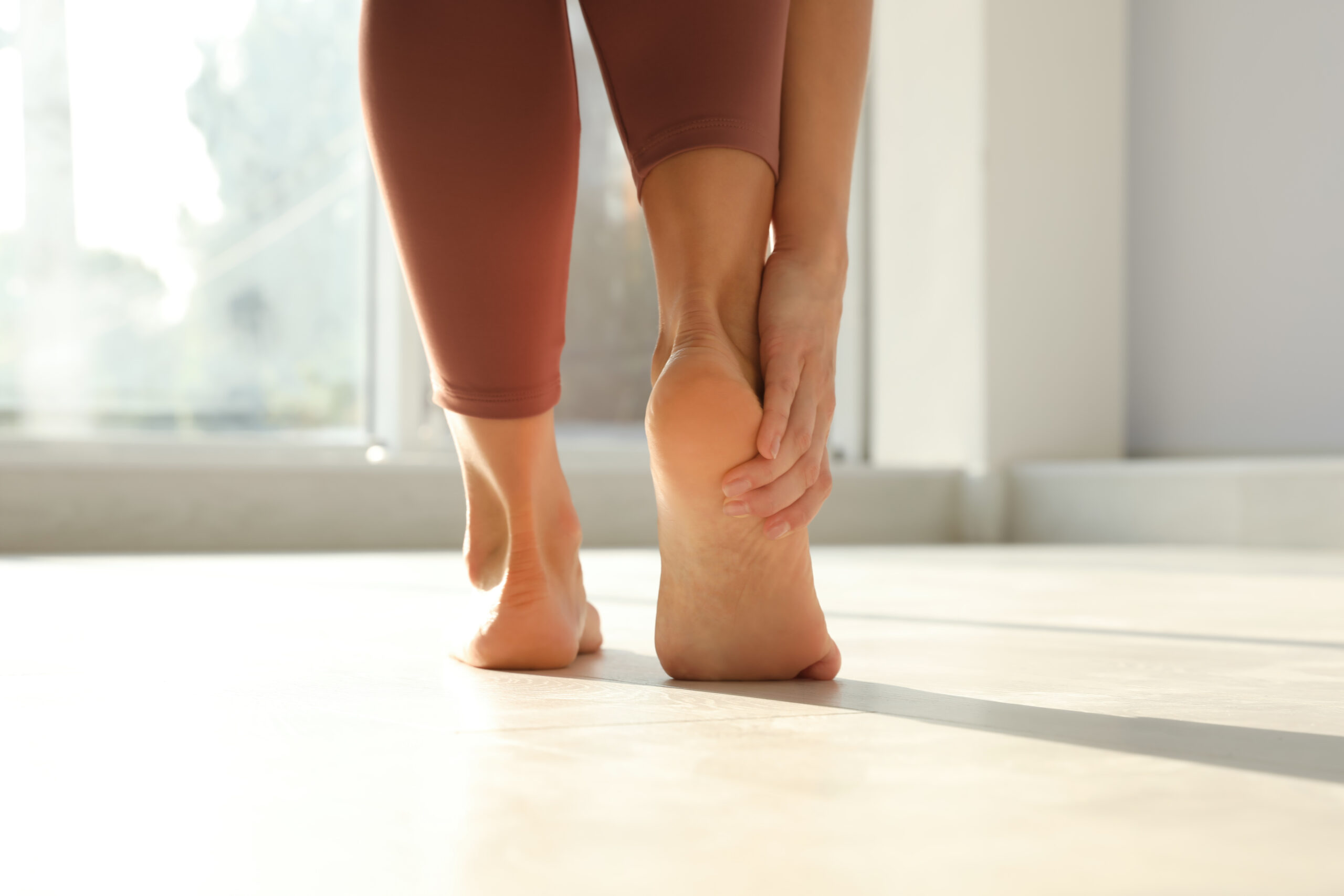
Foot and ankle pain can affect anyone, whether you’re on your feet all day, active in sport or just going about daily life. It might show up as pain under the heel first thing in the morning, an ache along the Achilles, swelling after a twist, or a general stiffness that makes walking or standing less comfortable than it should be.
Common presentations I see include plantar fasciitis (pain under the heel or arch, often worse with the first steps of the day), Achilles tendinopathy (pain and stiffness along the back of the ankle, particularly after rest or exercise), and ankle sprains following a twist or roll. Plantar fasciitis and Achilles tendinopathy often respond well to a combination of load management, targeted exercise and hands-on treatment, though progress can take time.
Ankle sprains, once more serious injury has been ruled out, usually benefit from early movement and a structured rehabilitation programme to restore strength and confidence. If your foot or ankle pain follows an injury and you’re unable to bear weight, or comes with significant swelling, deformity, or numbness, tingling, or colour changes in the foot, please get this assessed urgently rather than booking an osteopathy appointment.
Chronic Pain
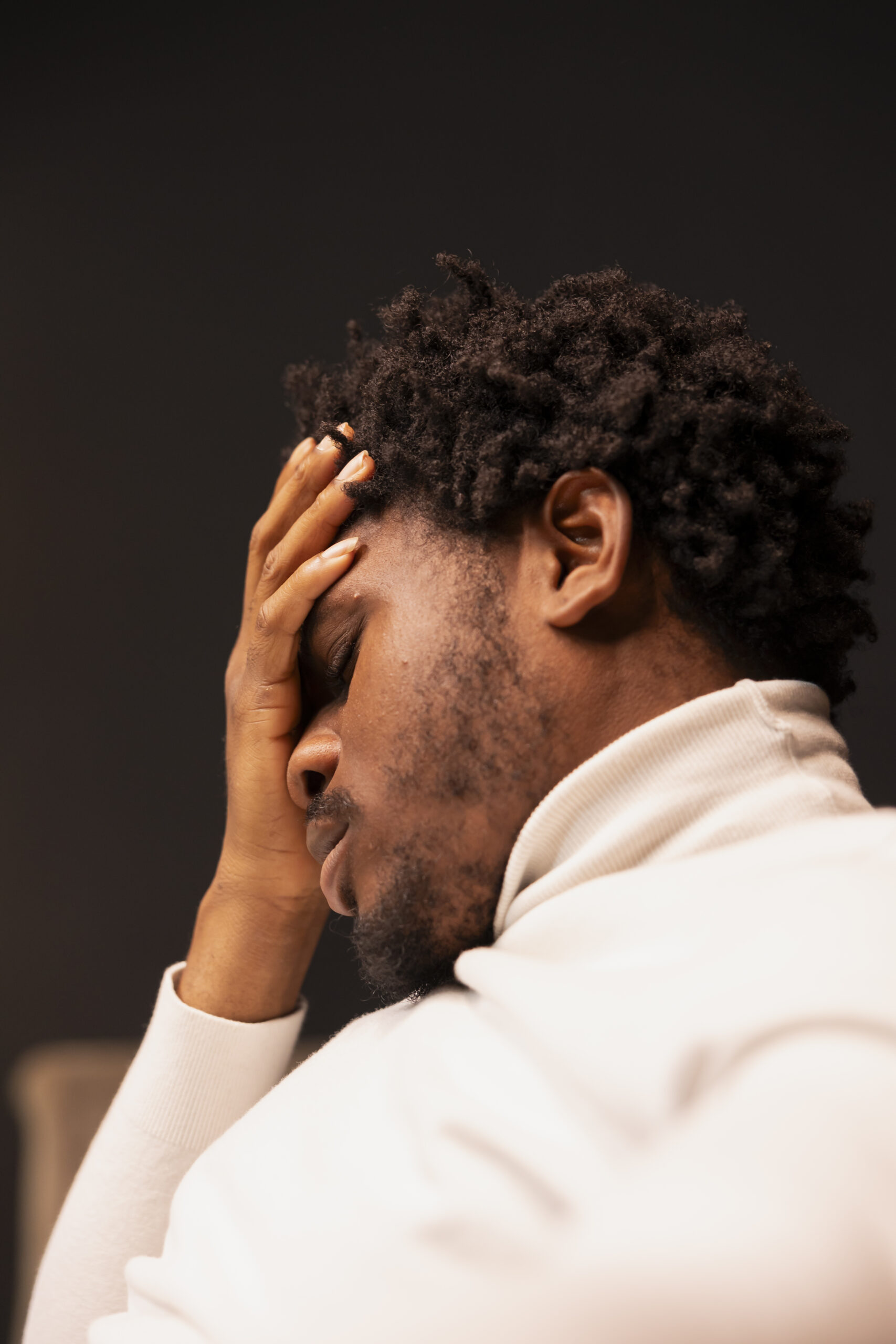
This page is about chronic widespread pain, of the kind seen in conditions like fibromyalgia, rather than a single joint or region that’s simply taken longer than usual to settle. It’s typically felt across multiple areas of the body, often both sides and above and below the waist, and commonly comes alongside other symptoms like fatigue, unrefreshing sleep, brain fog, or low mood.
If you’re living with it, you’ll know how much it can affect sleep, mood, work and the things you enjoy. If your pain is confined to one joint or region, such as a longstanding back or knee problem, you’ll find more relevant information on the dedicated sections for those conditions. One of the most important things to understand about this kind of pain is that it doesn’t always mean ongoing damage is occurring. Over time, the nervous system can become more sensitive, meaning pain signals continue or intensify even without an obvious structural cause.
This doesn’t make the pain any less real, but it does mean the approach to managing it looks a little different to a straightforward injury. My approach combines hands-on treatment with activity tailored to what your body can currently manage, building this up gradually and carefully at a pace that suits you.
Sleep, stress, and general activity levels all play a genuine role in how pain is experienced, so these are often part of the conversation too, alongside the physical assessment. The goal isn’t always to eliminate pain completely; for many people, it’s about improving function, confidence in movement and quality of life, so pain has less of a hold on daily activities. Progress can be gradual and everyone’s journey with persistent pain looks a little different. If you’re living with ME/CFS, your care needs are different and best guided by a specialist familiar with that condition.
Scans and Onward Referral
When might imaging be recommended?
If your symptoms are not responding as expected, or if the nature of your complaint warrants a closer look, I may recommend referring you to your GP or a specialist for further investigation. The most common types of imaging that may be considered are:
X-Ray
Useful for assessing joint spaces and detecting changes such as osteoarthritis or fractures.
MRI
Provides detailed images of soft tissues including muscles, tendons, ligaments, discs and nerves. A good quality MRI is often the most informative scan for spinal and joint complaints.
How referrals work
Everyone’s situation is different, so the referral route is suited to your needs. In general, there are two options: through the NHS via a referral to a GP or a private specialist, which can sometimes be faster and more direct. Either way, I’ll explain the options clearly so you can make an informed decision about the right path for you.